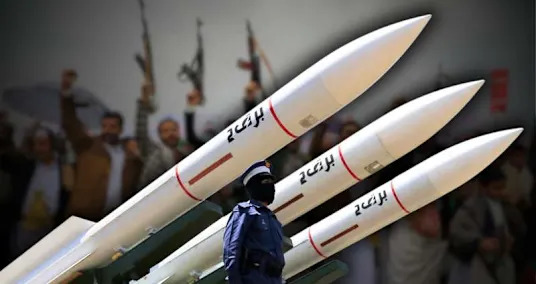
Iranian missile attacks on Israel struck several locations in the greater Tel Aviv area on Thursday morning, according to the Israeli military.
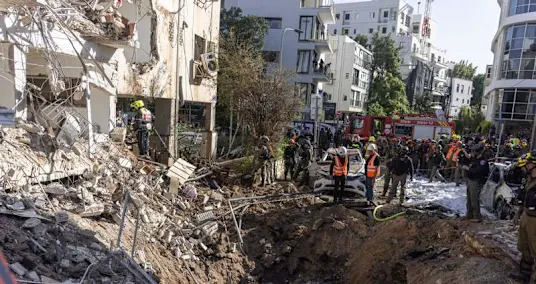
Six people were injured in the predominantly Arab town of Kafr Qasim, east of the coastal city, Israel's Magen David Adom emergency service said.
Emergency crews arrived within minutes of the impacts and found significant damage to a building, with injuries caused by the blast wave, a medic said. The wounded were treated at the scene before being taken to hospital.
Additional rocket fire targeting the Tel Aviv area was reported from Iran as well as from Lebanon overnight, according to local media.
Iran fired five waves of missiles towards Israel over the course of some two hours on Thursday morning, according to military sources.
Sirens sounded in numerous areas of Israel, including the Tel Aviv area, Jerusalem and the north of the country, with impacts reported in several locations, according to the army and emergency services.



 Posts falsely claim Netanyahu video fabricated to cover up his death
- First Houthi launch toward Israel since war began triggers alerts across the Negev
- The Quadrantid meteor shower peaks tonight, but will the full 'Wolf Moon' outshine the show?
- Experience Is standing by: History's Most noteworthy Travelers
- Must-See Attractions in Washington, D.C.
- NASA says Maven spacecraft that was orbiting Mars has gone silent
- German unemployment rate falls to 6.4%, but 3 million still jobless
- Big majority in Germany call Berlin's efforts on gas prices too weak
- Italy Brings In New Measures In 2026 To Tackle Overtourism