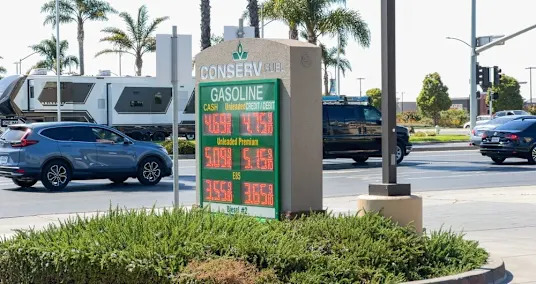
Global petrol prices have climbed sharply following disruptions to oil supply linked to the Iran war, prompting governments to act selectively to control costs.
Retailers worldwide are now navigating higher fuel prices alongside shifting consumer behaviour and rising supply chain costs.
Prices at the pump have increased significantly in many major markets since the conflict escalated. Diesel has surged even faster in some regions, adding further pressure on delivery and logistics costs.
Governments are attempting to ease these pressures without creating long-term fiscal problems.
Targeted tax cuts and subsidies
Fuel tax reductions remain the most common measure to reduce petrol costs. Several governments have lowered fuel duties or levies to support households and businesses.
In the UK, the existing fuel duty cut is under review. Officials have warned it is “too soon” to measure the economic impact of the conflict. This reflects caution over inflation and public spending.
Other countries, such as France, are offering targeted subsidies to specific sectors like transport and agriculture, rather than applying broad price cuts. For retailers, this creates uneven pricing environments and short-term fluctuations in fuel demand at forecourts.
Demand reduction policies shift retail patterns
Unlike previous crises, governments are now focusing on lowering fuel consumption as well as controlling prices.
Measures include promoting remote work, encouraging public transport use, and in some areas, introducing shorter work weeks. Severe cases have seen fuel rationing return.
These policies affect retail footfall. Reduced commuting lowers visits to petrol stations and convenience stores. Delivery schedules and product availability can also be disrupted, particularly for grocery and fast-moving consumer goods sectors.
Retailers are adjusting to changes in customer behaviour driven by higher fuel costs and government guidance.
Rising fuel costs pressure supply chains
Higher petrol and diesel prices are increasing operating costs across retail supply chains. Transport and logistics costs are rising, pushing up wholesale prices and, in turn, retail shelf prices.
Governments are monitoring fuel retailers to prevent excessive markups. In some markets, price transparency tools have been introduced to allow consumers to compare prices more easily, which increases competition among forecourts.
For international retailers, these trends signal continued volatility. While targeted government action may ease the impact in the short term, underlying global oil market instability continues to create uncertainty for pricing, logistics, and customer demand.
latest_posts
- 1
 Man triggers smoke bomb during failed crypto robbery
 - 2Consume Fat Quick: 10 Demonstrated Activities for Ideal Outcomes
- 3'Euphoria' Season 3 trailer includes Eric Dane's final appearance, Jacob Elordi and Sydney Sweeney at the altar and Rue's 'Breaking Bad' era
- 4The Fate of Gaming: 5 Energizing Advancements Not too far off
- 5Was This Driver Simply Having Some good times Or Behaving Like An Ass?




- At least 36 dead in major fire in Hong Kong residential blocks
- Genesis Marks 10th Anniversary With Magma GT Concept Aimed at High-Performance Flagships
- Crew-11 astronauts undock in 1st-ever medical evacuation from the International Space Station (video)
- Figure out How to Assess the Unwavering quality of SUVs for Seniors
- NASA's Artemis II launch leaves Americans in awe: 'We're going back to the frickin' moon!'
- Pick Your Favored sort of cooking
- The Solution to Innovative Peculiarity: Analyzing the Fate of Mankind
- How HIV/AIDS got its name − the words Americans used for the crisis were steeped in science, stigma and religious language
- Mexican Woman Accused of Assaulting Partner With Belt After He Refused Sex, Police Say